






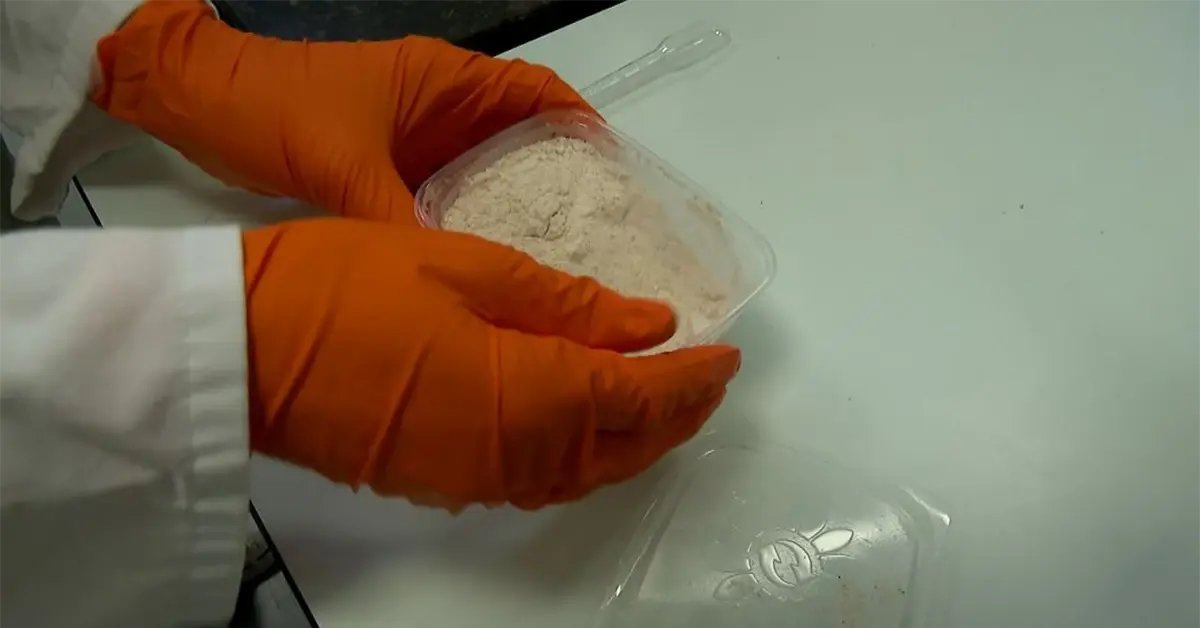
PFAS in our food is no surprise, but how much is there in fresh products such as shrimp? Omroep Zeeland had shrimp from Vlissingen tested.
In itself, the decision to test shrimp for PFAS is quite logical. Although fishing is prohibited in the Western Scheldt from Antwerp to Fort Rammekens, recent years have shown that shrimp caught in the Western Scheldt estuary sometimes contain excessive levels of PFAS. And it is possible to buy shrimp in the fishing port of Vlissingen from ships that fish for shrimp in the Western Scheldt estuary and along the Belgian coast.
Testing shrimp
We bought shrimp in Vlissingen for two weeks in a row and sent them to Nofalab in Schiedam. Since last year, the company has been conducting certified tests for the presence of PFAS, including in food. “After the RIVM issued a warning about hobby eggs, we also started offering tests to private individuals,” says sales manager Menno Huisman of the laboratory.
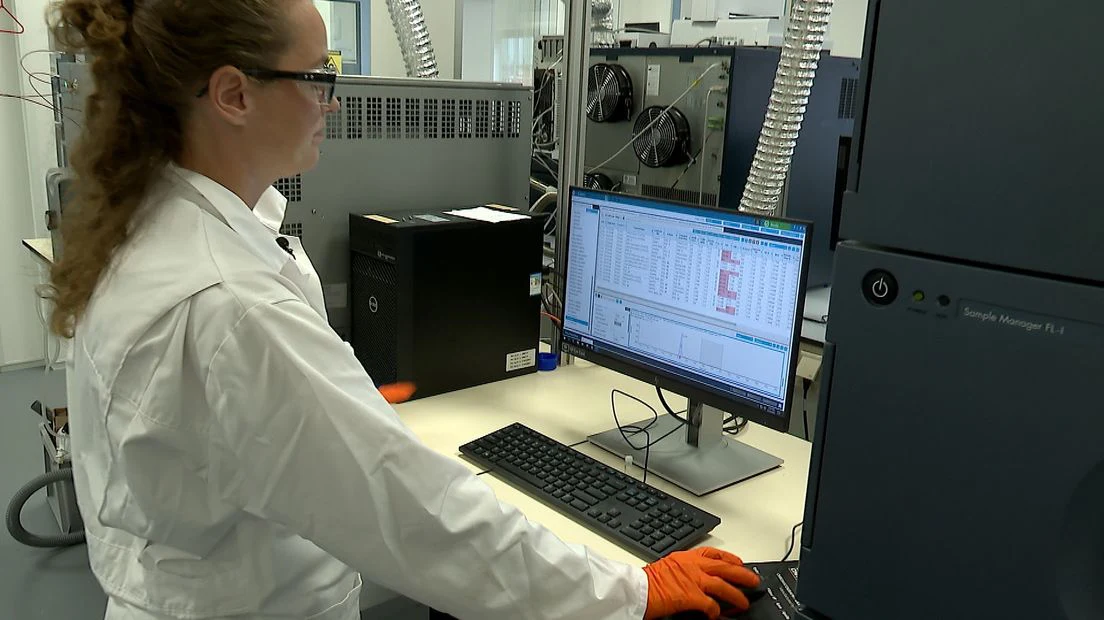 The data is being read out
Because a test normally costs hundreds of euros, the company developed a cheaper version. “We saw that, in addition to a gap in the market, there is also a certain social responsibility when it comes to PFAS,” says Huisman. “That's why we offer a relatively inexpensive test that is also easy to interpret. If the result is green, it's safe; if it's red, it's not.”
Increasing demand
Huisman expects demand for testing to remain stable or perhaps even increase in the coming period, because, according to him, we are still a long way from getting rid of PFAS. However, the company does not believe it will be possible to offer an even cheaper test in the short term due to high demand. “The costs for the machines and training people to use them are considerable.”
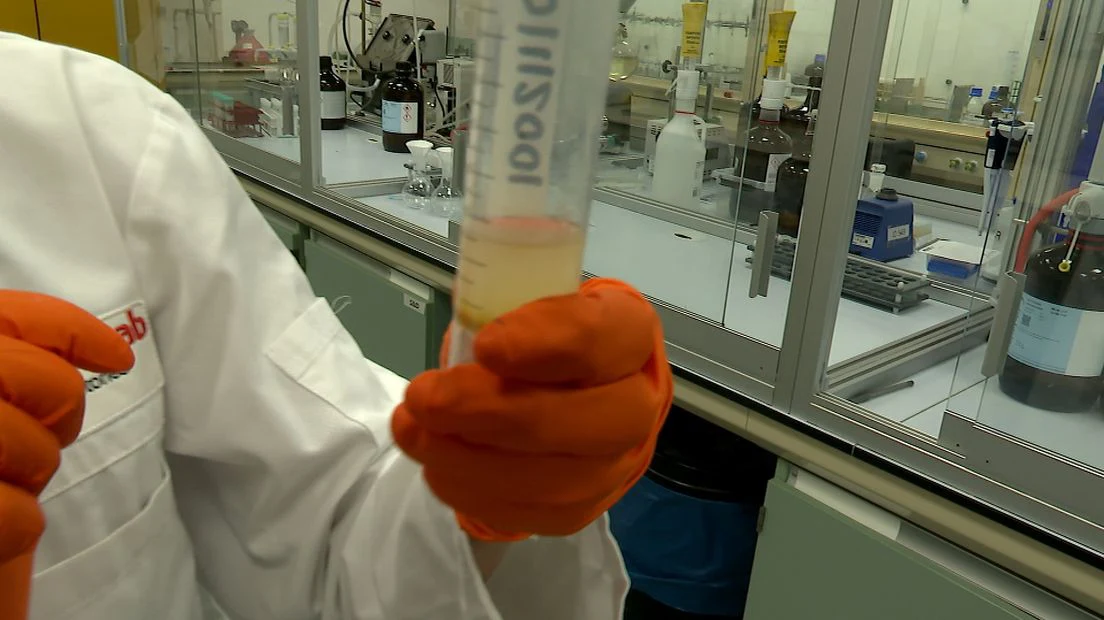 PFAS in test fluid
Quality control officer Simone de Roover takes us and the shrimp to the various laboratories. The shrimp are first freeze-dried and ground into a powder. Various processes are then carried out to remove the PFAS. The sample is then ‘read’ by a machine. De Roover has good news: although there are seven types of PFAS in the sample, the total amounts are below the permitted consumption limit.
Warning
To be sure, we presented the results to environmental chemist Chiel Jonker from Utrecht University. He did issue a small warning: "Although the PFAS content in the shrimp is below the consumption limit, it is still high enough that you need to be mindful of how much you eat. Because we already ingest more of these chemicals than is good for us in our daily lives, eating these shrimp increases that amount. Keep that in mind."
In practice, almost no checks
In practice, catches arriving in Vlissingen are almost never checked for PFAS by the Netherlands Food and Consumer Product Safety Authority (NVWA). Fishermen and fishmongers do not do this either, because it takes too long and costs too much.
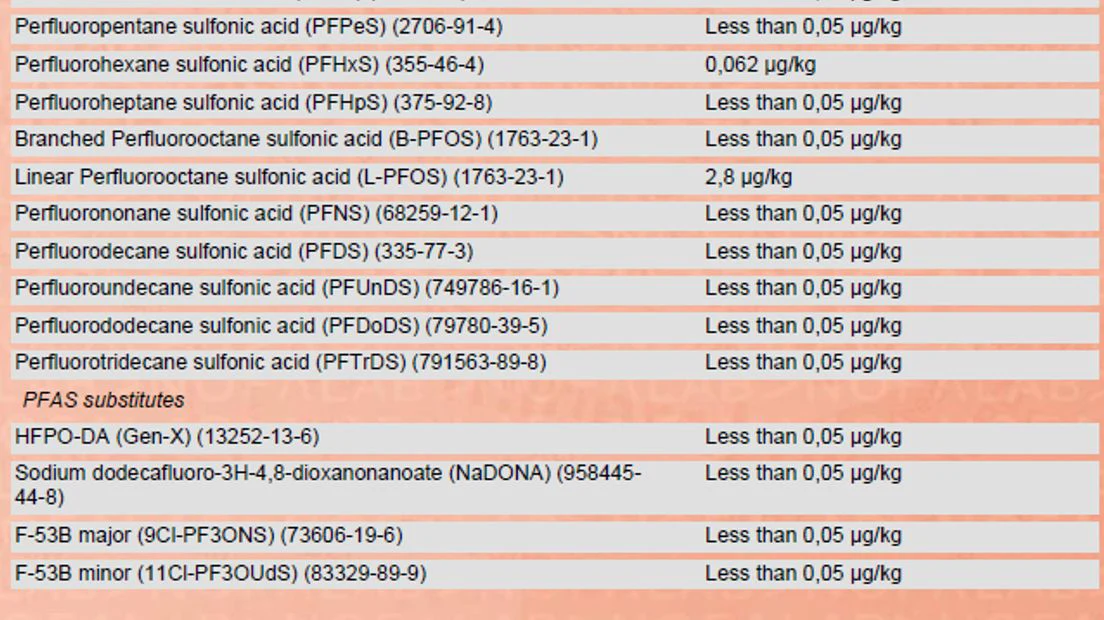 The test result for the shrimp
What is the standard for the amount of PFAS you can consume?
The RIVM uses the EFSA limit for the sum of four types of PFAS (PFOS, PFOA, PFNA, PFHxS). This is 4.4 nanograms (ng, one billionth of a gram) per kilogram (kg) of body weight per week. This means that a person weighing 78 kg can consume approximately 343 ng of PFAS per week while remaining below the safe standard. Our sample of shrimp contained 3.4 ng. This means that the person we are describing can eat 100 grams of shrimp per week while remaining within the limit.
However, according to the RIVM, we already consume an average of 4.6 ng/kg through our food and drink. Eating the shrimp on top of that would double that amount.
To complicate matters further, the RIVM does recommend eating fish and shrimp in moderation because of the healthy substances they contain, such as protein and omega fatty acids.
About Cotecna Lab Netherlands
Cotecna Lab Netherlands (acting under the name NofaLab until January 1, 2027) provides reliable laboratory testing and analytical services, specializing in food, feed, and industrial applications. With ISO 17025 accreditation (L440), Cotecna Netherlands delivers accurate, science-based results that support sustainability, regulatory compliance, and operational efficiency. Through expert knowledge and advanced technology, Cotecna Netherlands helps clients optimize processes, enhance productivity, and meet international quality and safety standards.